1. Background
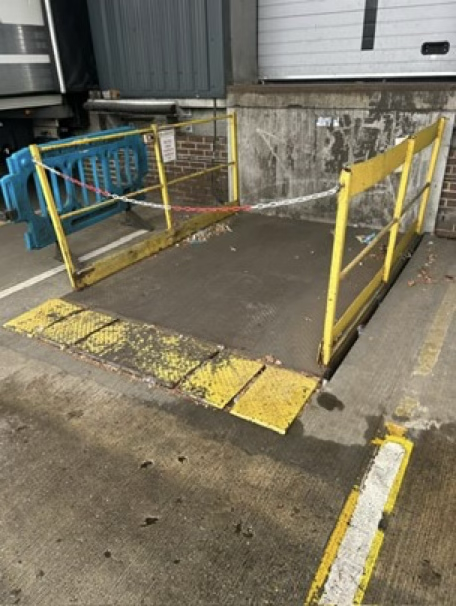
Our valued customer relied on a hydraulic loading bay scissor lift installed over 15 years ago. The lift was used daily to transfer palletised goods between outside floor level and warehouse floor level. Over time, the equipment became increasingly unreliable, impacting operational efficiency and safety.
2. Problem Statement
The existing scissor lift presented several challenges:
- Frequent breakdowns causing loading delays
- Rising maintenance costs, including repeated hydraulic failures
- Safety risks, such as uneven lifting, oil leaks, and outdated control systems
- Non-compliance with updated health and safety standards
- Operational bottlenecks during peak loading hours
Maintenance records showed downtime had increased by 30% over the previous two years, directly affecting delivery schedules and labour productivity.
3. Objectives
The organisation set the following objectives for the replacement project:
- Improve operator safety and compliance with current regulations
- Reduce equipment downtime and maintenance costs
- Increase loading efficiency and throughput
- Install a solution with minimal disruption to operations
- Ensure long-term reliability and scalability
4. Solution
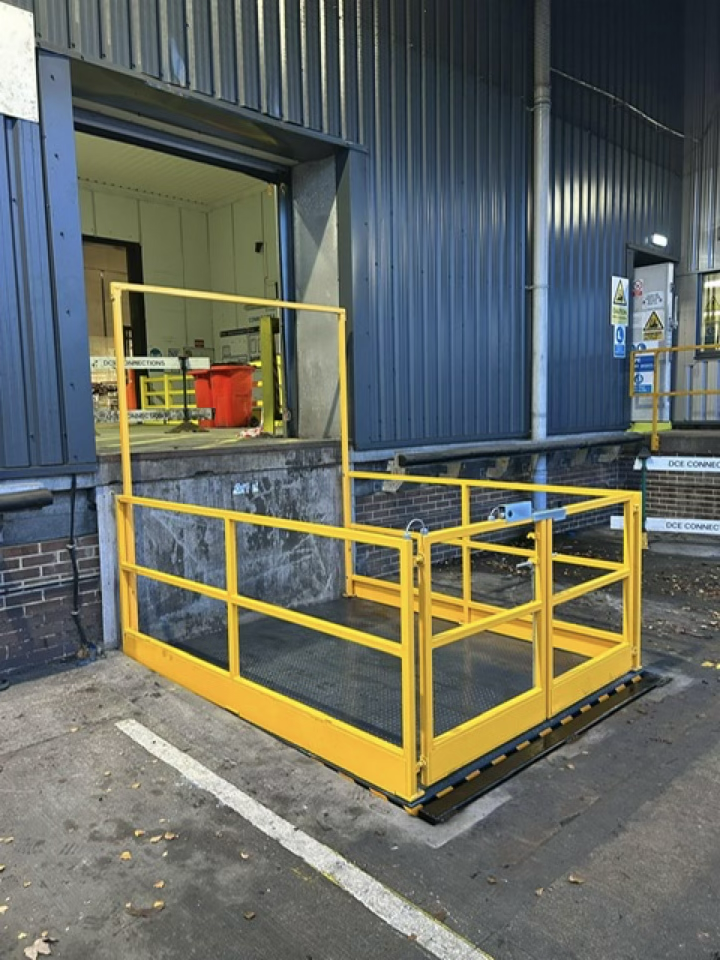
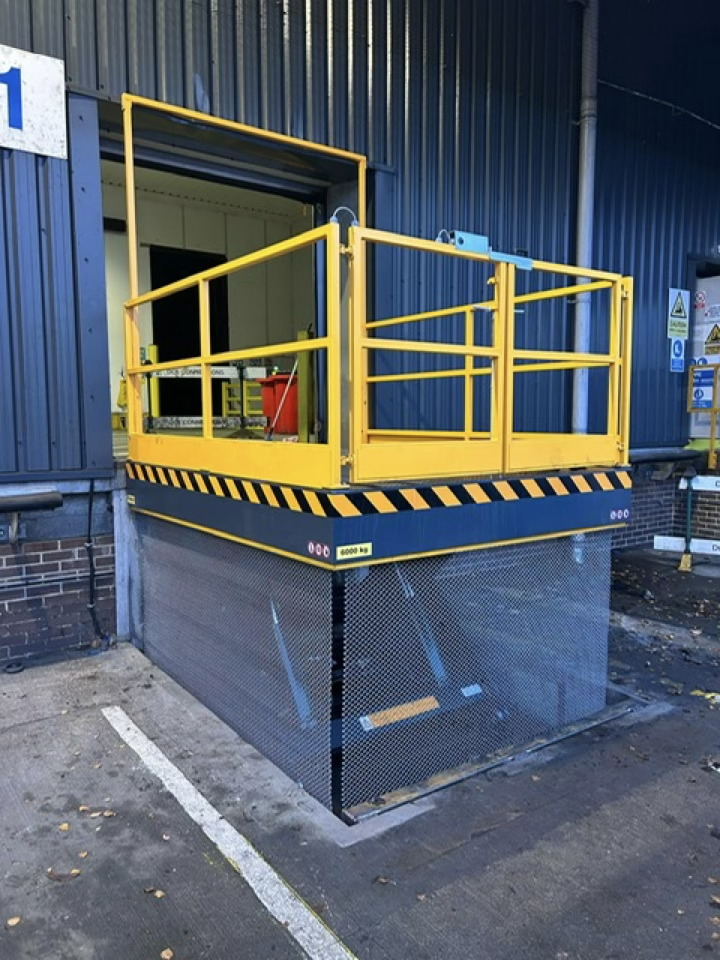
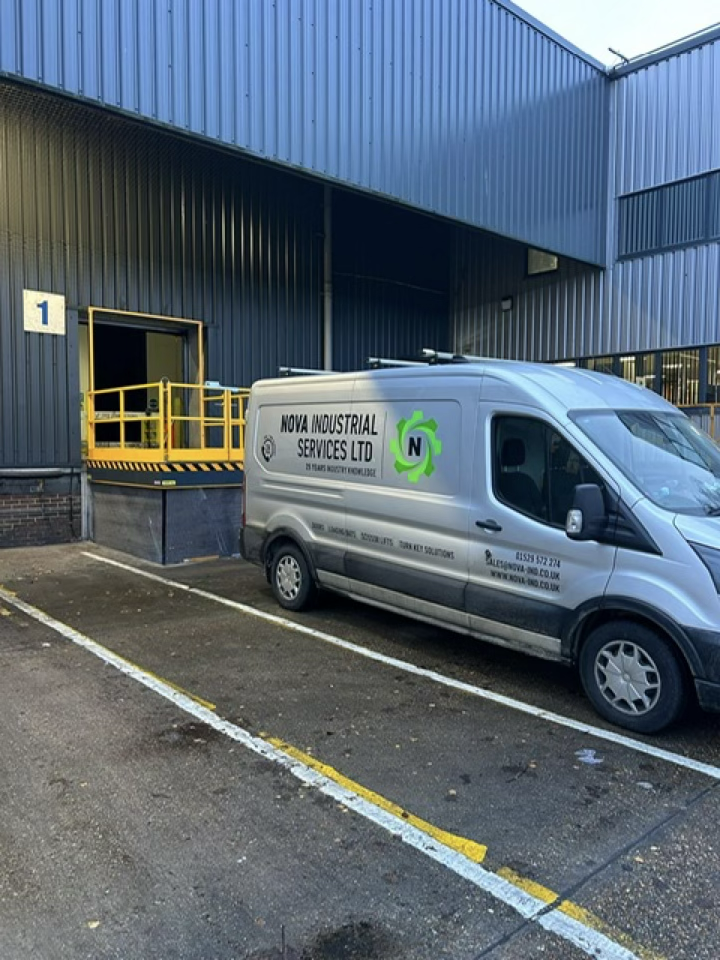
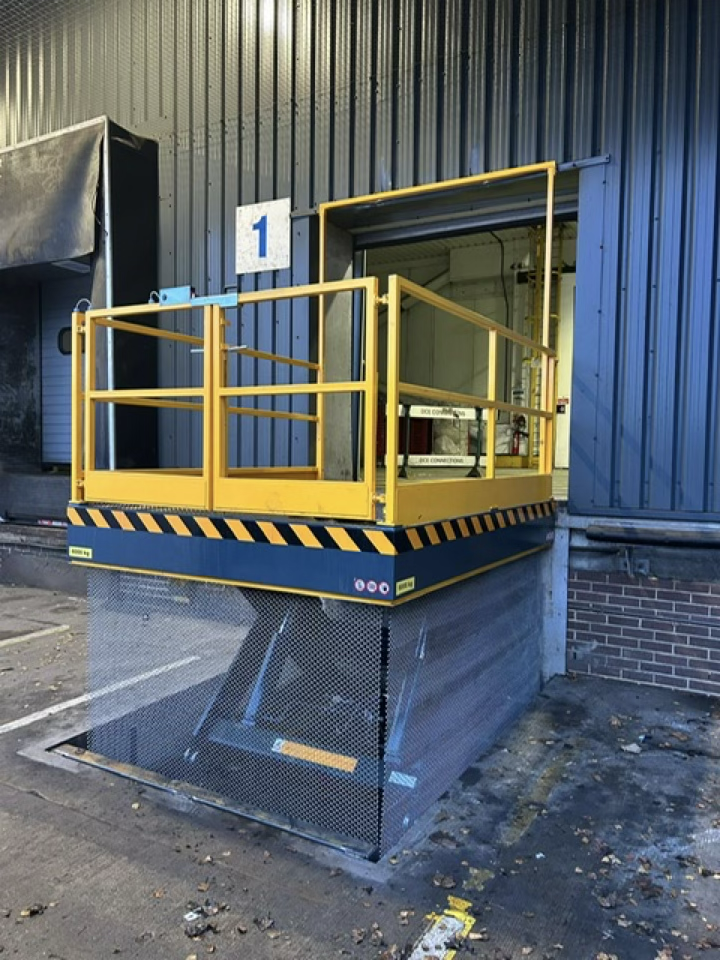
After evaluating multiple options, the company chose to replace the existing unit with a new Nova electro-hydraulic loading bay scissor lift featuring:
- Higher load capacity with improved platform stability
- Modern safety features (toe guards, emergency stop, overload protection, interlocking gates)
- Energy-efficient hydraulic system
Installation was scheduled during a planned shutdown period to minimize operational impact.
5. Implementation
The replacement project was completed in four key stages:
- Site assessment and design – Verification of pit dimensions, load requirements, and power supply
- Removal of old lift – Safe decommissioning and disposal of obsolete equipment
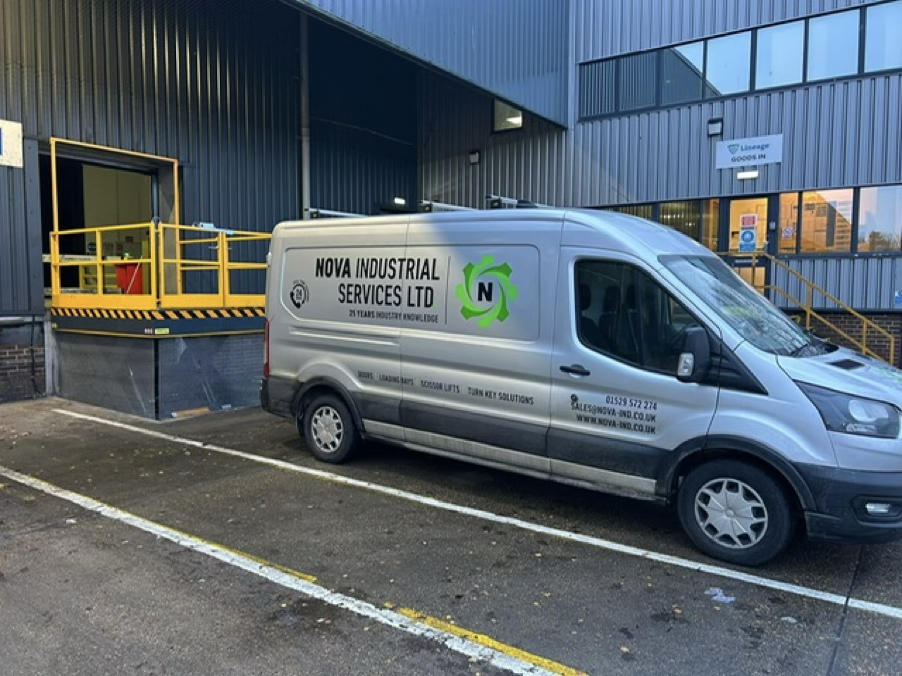
- Installation and commissioning – New lift fitted, tested, and certified
- Training – Operators and maintenance staff trained on safe use and basic troubleshooting
Total installation time was reduced to two days through effective planning.
6. Results
Post-installation performance improvements included:
- Zero unplanned downtime in the first six months
- 40% decrease in maintenance costs
- Improved operator confidence and reduced manual handling risks
- Full compliance with current safety standards and inspections
7. Cost–Benefit Analysis
Although the initial capital investment was higher than repairing the old unit, the replacement delivered a payback period of under three years, driven by:
- Reduced maintenance expenses
- Improved labour efficiency
- Fewer shipment delays and penalties
- Lower risk of workplace injury claims
8. Conclusion
Replacing the aging loading bay scissor lift proved to be a cost-effective and safety-driven decision. The new system significantly enhanced operational efficiency, reduced risk, and provided a long-term solution aligned with the company’s growth plans.